certificato Clayver

Clayver: innovation, technology
and tradition.
Accuracy and scientific verification of our materials.
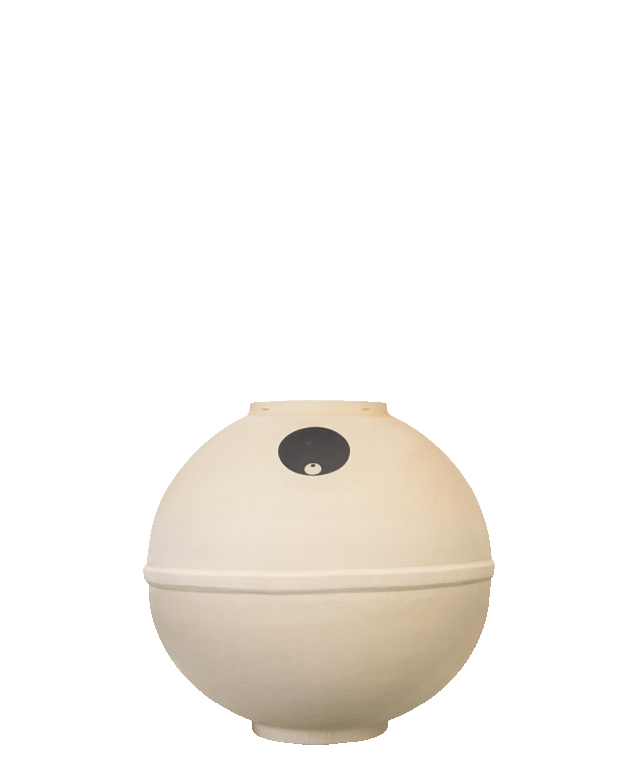
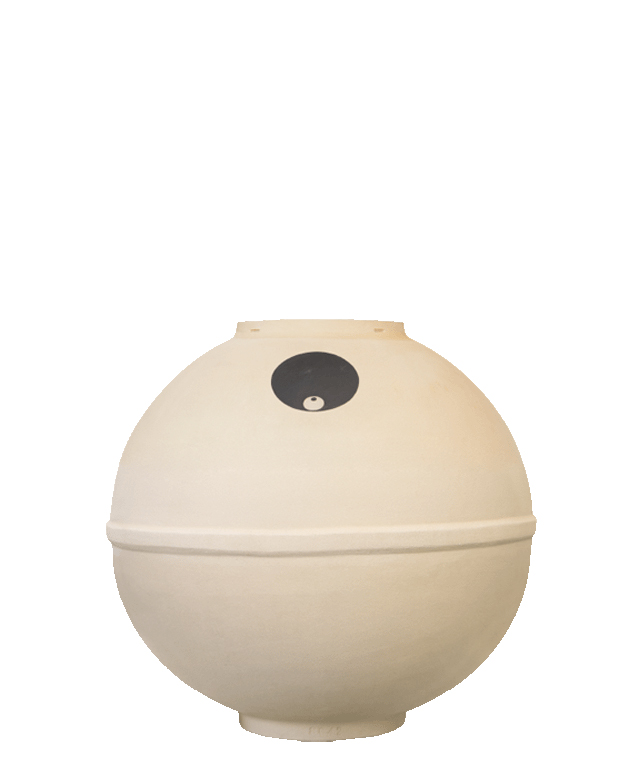
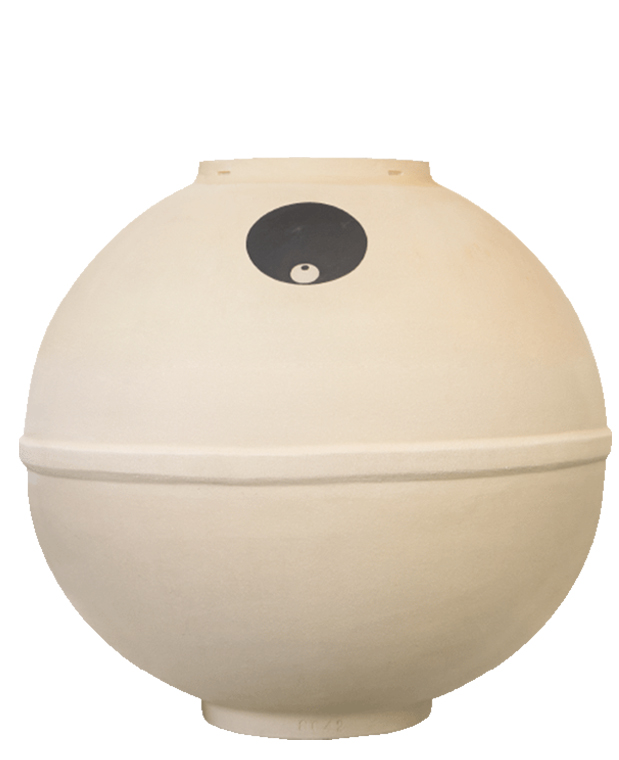
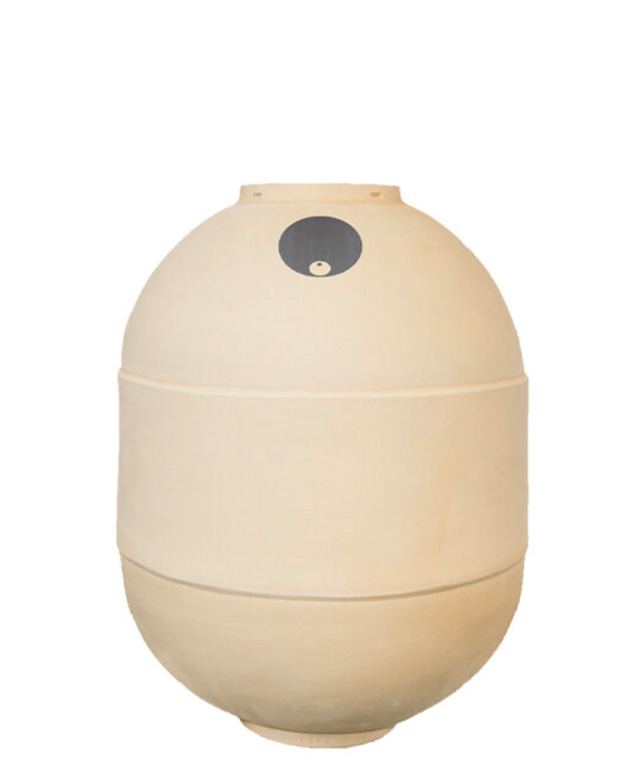
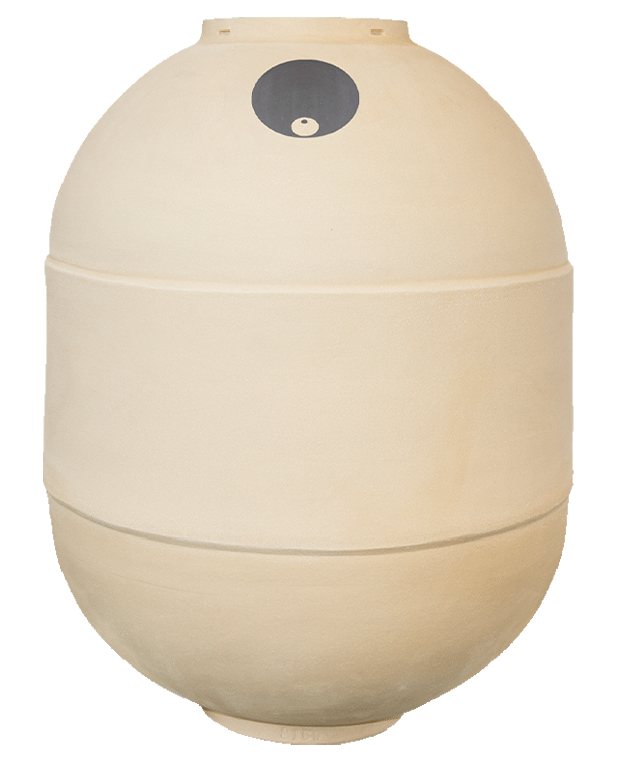
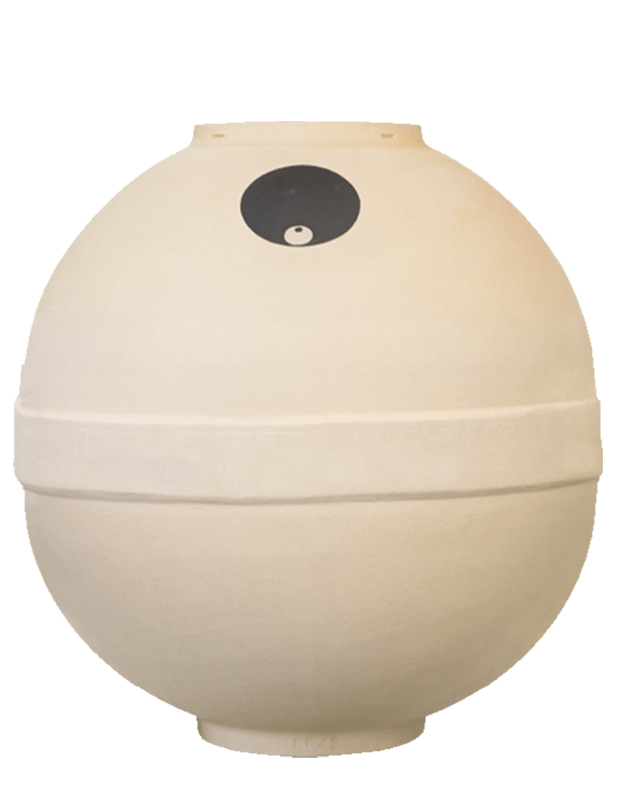
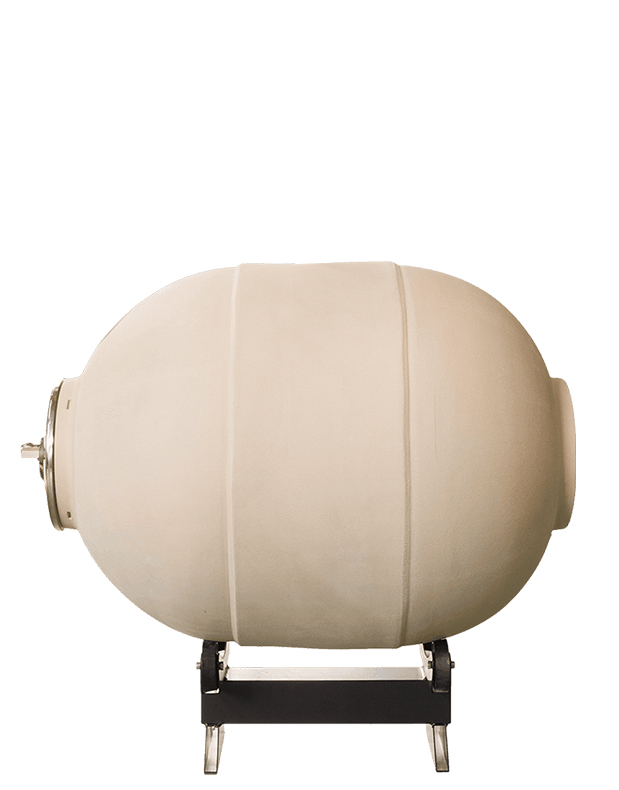
Clayver is a ceramic vessel specifically designed for winemaking, a term which encompasses the fermentation, storage and ageing of the product.
It is the result of extensive research and experimentation. All our containers are manufactured in-house, under our direct supervision, using raw materials that we carefully select from the best suppliers, to ensure consistency and uniformity in the final product.
Why stoneware?
Ceramic stoneware is a homogeneous material; in addition to its considerable compressive strength, it exhibits good flexural strength – given its stone-like nature – and high hardness.
We’re champions of traceability!

- Ceramics certified for food use
- Controlled porosity
- Patented airtight seal
- High thermal inertia
- Easy to clean
Clayver material
Thanks to traceability and certification,
Clayver stoneware is a guaranteed product.
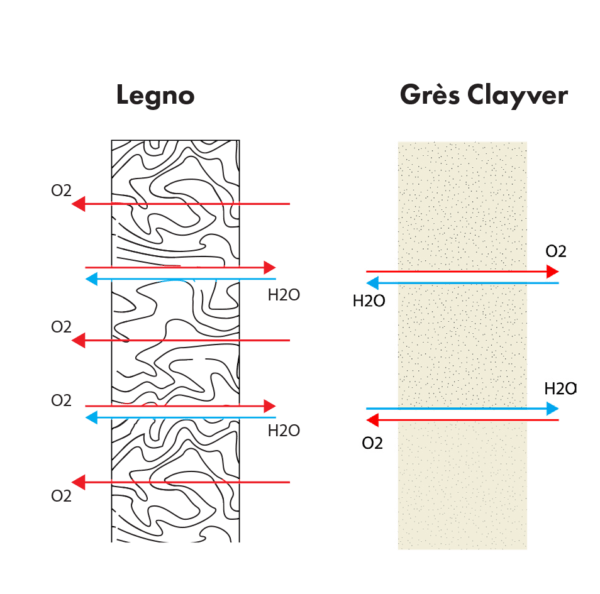
Clayver ceramic wine barrels are made from a special type of natural, homogeneous and compact stoneware. This material is similar in many ways to natural granite: it is impervious to liquids and therefore requires no special measures to prevent evaporation.
The intrinsic microporous structure of the ceramic material allows for gas exchange with the outside of the container, but only to a limited extent and over very long periods of time. The container is therefore also suitable
for long-term ageing.



A fine wine in a fine natural stoneware vessel: a Clayver patent
Clayver is a smart choice: ‘clever’. It stands out for its use of top-quality materials and a production system that ensures consistent moulding quality.
The added benefits of Clayver material
- The use of a top-quality material;
- A reliable production system that ensures
consistent quality in the forming process; - Traceability via the archive of coded samples;
- Regular laboratory tests;
- Machinery manufactured in-house, which ensures,
through a combination of technical expertise and craftsmanship,
high-quality surface finishes
and rigorous quality control of the finished product.
Key technical specifications
of Clayver stoneware
- Oxygen bond length (O₂) 121 pm
- Oxygen-hydrogen bond length in the water molecule: 95.84 pm
- Hydrogen-to-hydrogen bond length in a water molecule: 152.50 pm
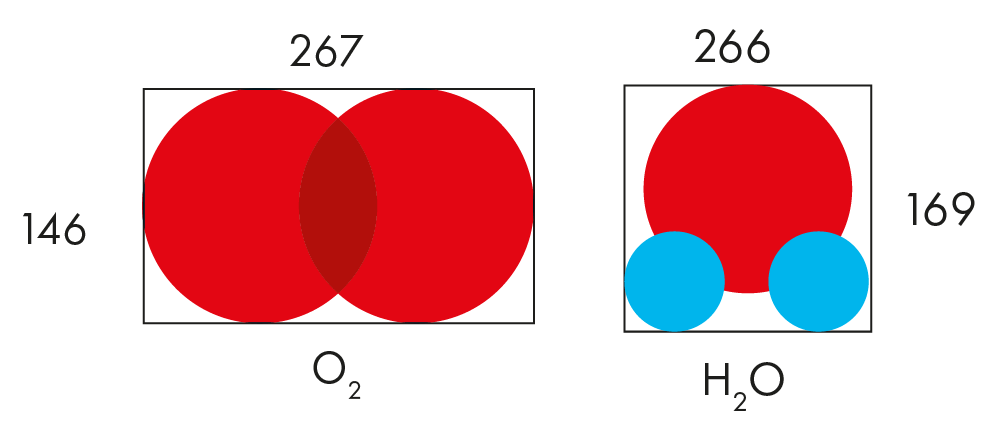
Focus on the porosity of Clayver stoneware in relation to a fluid molecule
- Raggio covalente ossigeno 73 pm
- Hydrogen covalent radius: 37 pm
- Water molecule angle: 104.45°
Material properties
- Open porosity 5%
- Bulk density 2.34 g/cm³
- Average pore diameter: 0.04 μm
- Constraint 0.76
- Permeability 4.6 × 10⁻¹⁸ m²
- Hydraulic conductivity 2.50 × 10⁻¹¹ m/s
- Water absorption 2.1%
- Hydraulic loss (initial) 0.0035 l/h
- Standard O₂ flow rate: 5 mg/litre/year
O+ type: 13 mg/litre/year
Clayver is a smart choice: ‘clever’. It stands out for its use of top-quality materials and a production system that ensures consistent moulding quality.

Sustainability
#SustainableClayveer
Clayver is strongly committed to the adoption of circular economy practices and the continuous assessment of product life cycles (Life Cycle Assessment, LCA), which are fundamental pillars of our mission. We constantly work to reduce our environmental impact and ensure the sustainable management of resources throughout the entire supply chain through material regeneration practices, guaranteeing the highest quality of our barrels.
1. Circular Economy
Clay processing scraps are reused instead of being disposed of as waste, reducing the need for new raw materials. Clayver implements a circular production model aimed at minimizing waste and regenerating by-products within the production chain, giving new life to the material.
2. Waste Reduction
Approximately 33,200 kg of dehydrated clay are recovered every year, which would otherwise be disposed of as waste. The company is committed to drastically reducing waste generation through the reuse of production by-products, while also lowering disposal costs. Our Clayver stoneware is a resource that can be brought back to life and reused, fully leveraging its technical properties and performance characteristics.
3. Energy Efficiency
The adoption of more modern and technologically advanced machinery, including shredders, mixers, extruders, and dies, enables a reduction in energy consumption and raw material usage while improving overall production efficiency.
4. Resource Savings and Emissions Reduction
By reusing production by-products, Clayver reduces the need to transport new raw materials, contributing to a significant reduction in CO₂ emissions and fuel consumption, equivalent to approximately 300 km of transport avoided each year.
5. Innovazione tecnologica
L’innovazione tecnologica semiautomatica passa anche attraverso nuove tecnologie che consentano la formatura da parte di componenti del prodotto Clayver, ottimizzando quindi il lavoro manuale e aumentando la sostenibilità.
6. Creazione di nuovi prodotti da sottoprodotti
L’azienda ha sviluppato nuove linee di prodotto utilizzando sottoprodotti, contribuendo a una riduzione ulteriore dello spreco di materiali e promuovendo l’innovazione sostenibile.
7. Water Efficiency
The clay regeneration process involves careful moisture management, which is essential to prevent cracks and breakage in stoneware barrels, further reducing material waste and improving resource efficiency.
8. Alignment with International Sustainability Standards
Clayver follows international guidelines and regulations to ensure that all operations are aligned with globally recognized environmental management and sustainability standards.
9. Positive Impact on the Community and the Environment
The company’s strategy not only reduces its direct environmental impact but also promotes awareness of sustainability issues, strengthening Clayver’s reputation and positioning as an environmentally responsible company.
Discover all Clayver products