Clayver FAQ: Frequently Asked Questions
Everything you need to know about our ceramic wine barrels
What is Clayver?
A definition
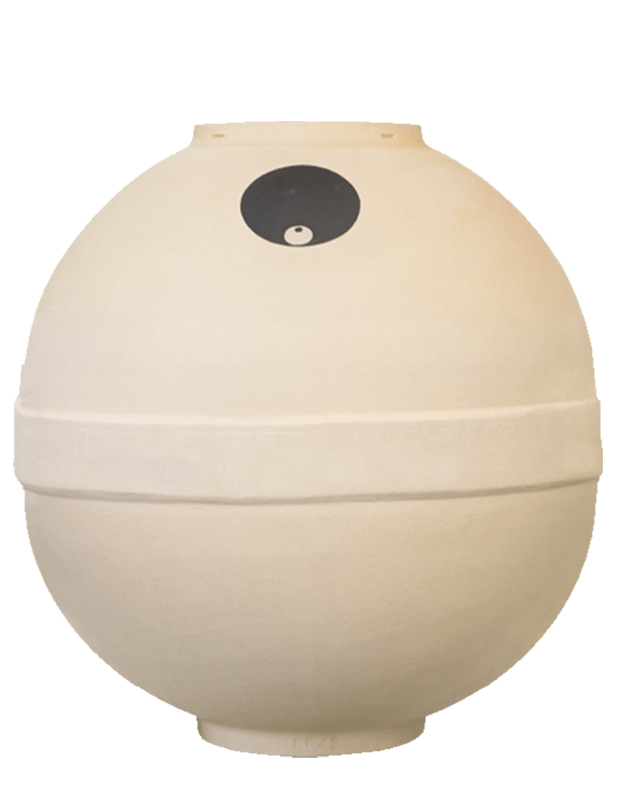
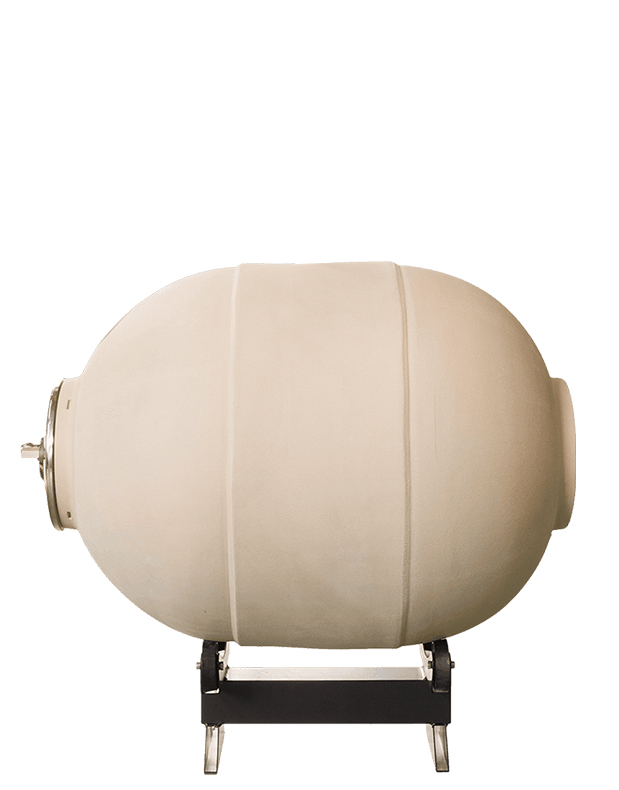
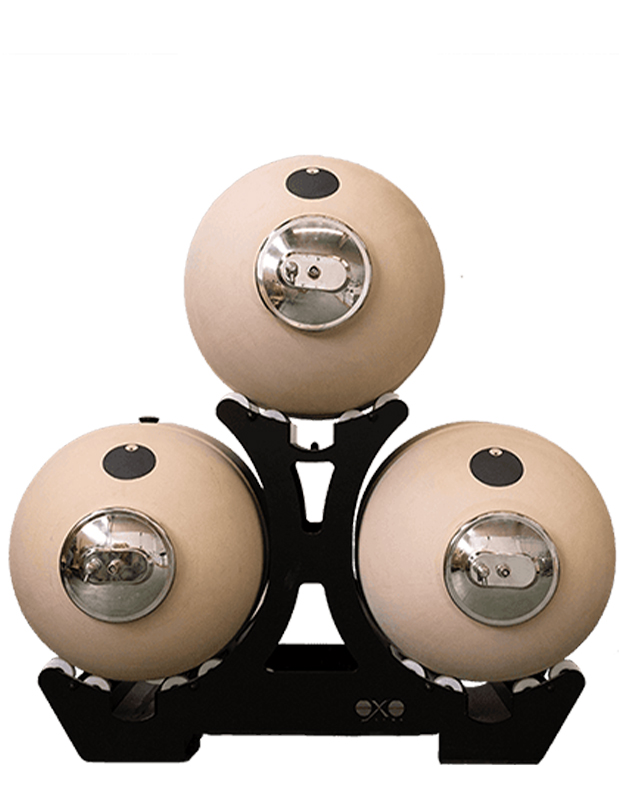
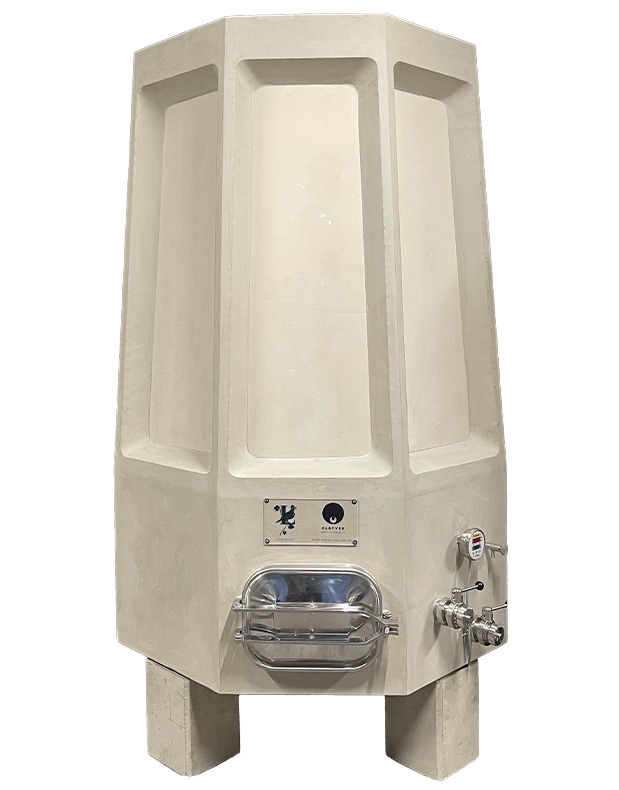
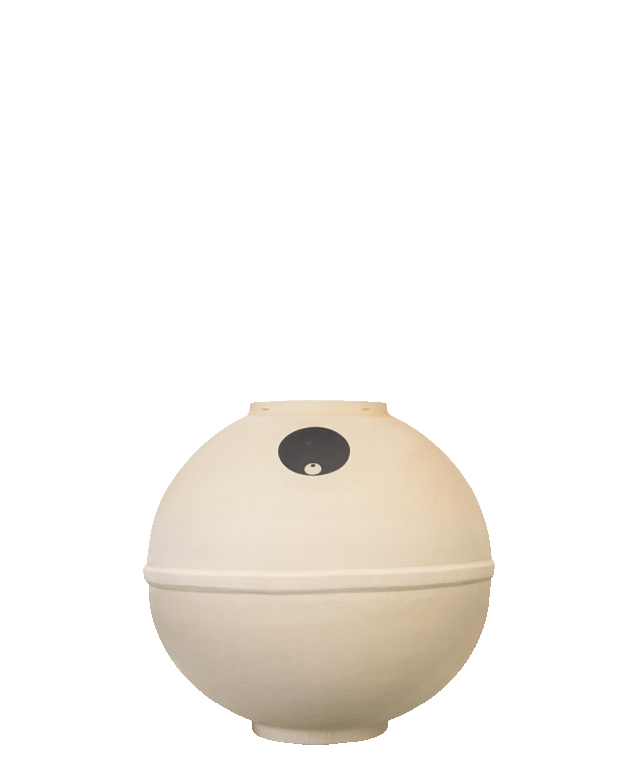
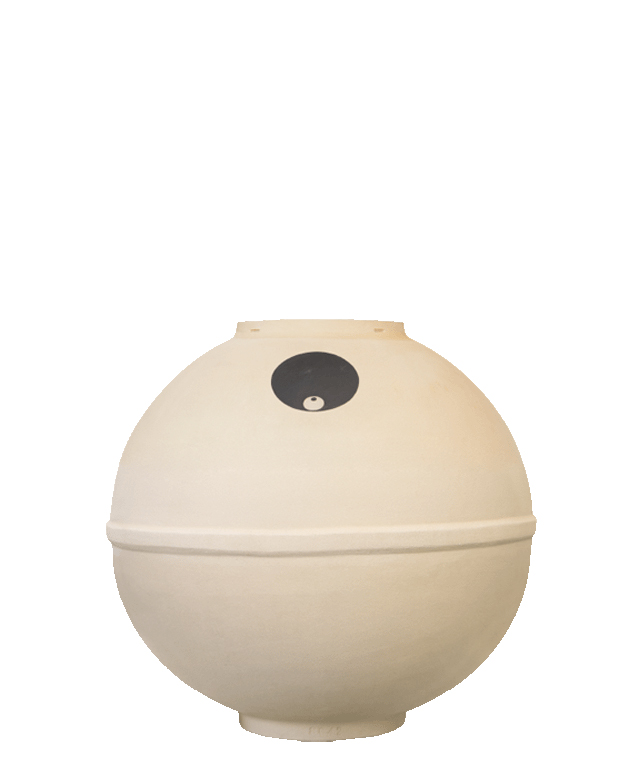
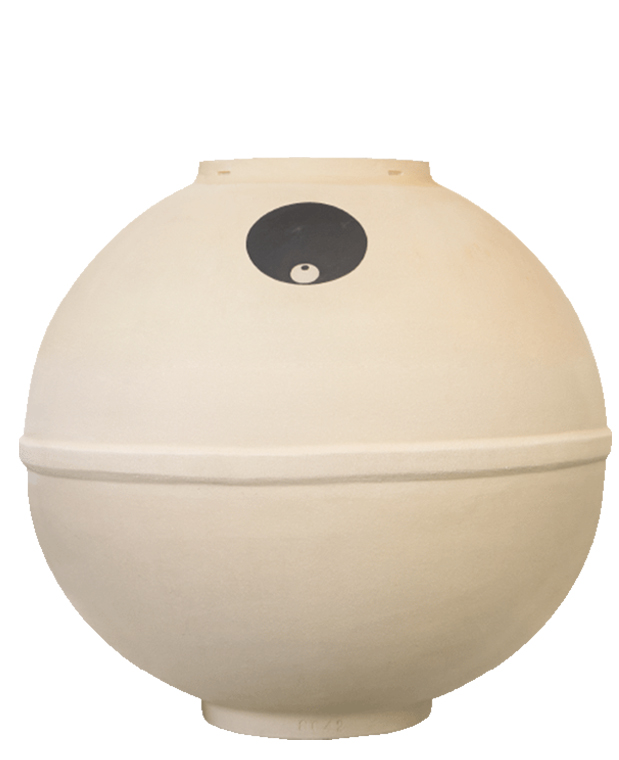
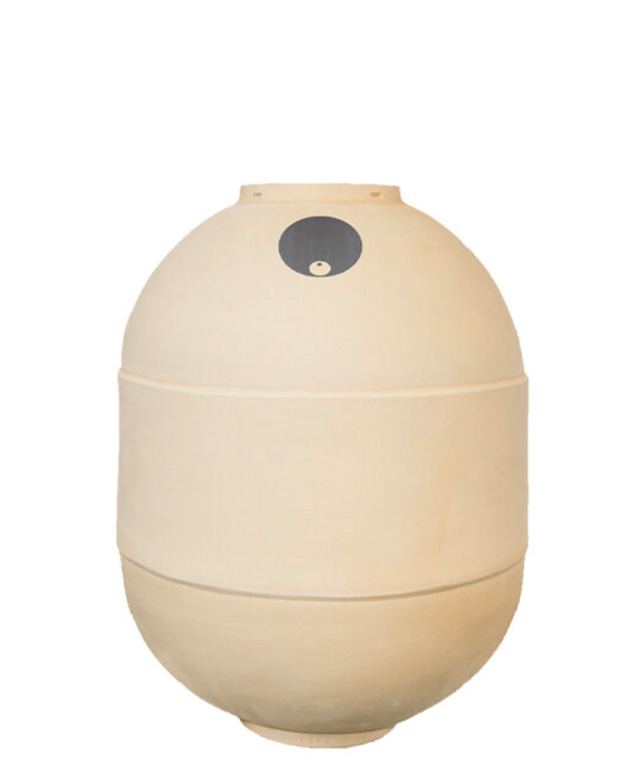
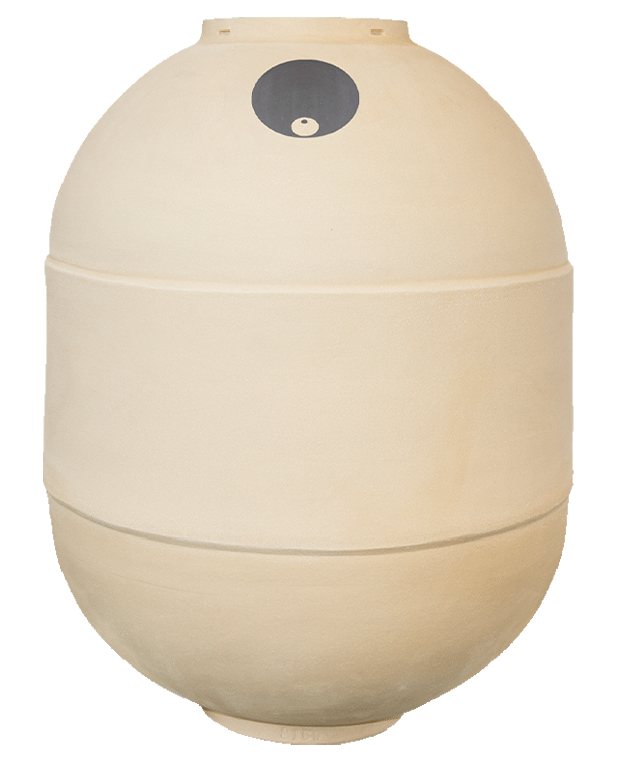
Clayver is a ceramic container available in capacities of 250, 400, 650, 1200, and 2300 liters, offering a variety of storage solutions. The available models are Luna (250l), Galatea and Orizzonte (400l), Polifemo (650l), Trio (1200l), Oceano (2300l). The shape can be spherical or oblong to limit weight and promote the convective motions that occur naturally during fermentation and aging on fine lees. The spherical shape also allows for easier handling of the container when moving it and facilitates cleaning.
What is Clayver made of?
Materials
Clayver is a stoneware container made from a blend of raw materials carefully selected to ensure it is suitable for storing and aging wine. A small amount of residual porosity allows for a slight exchange of gases with the external environment. The material itself guarantees excellent chemical inertness and prevents the leaching of metal ions into the wine. Although stoneware is very hard and durable, it is nonetheless a material sensitive to impact. Therefore, some caution is required when handling it.
Is Clayver “natural”?
Naturally derived material
The term “natural” is often misused and taken out of context. Clayver is a man-made product, but all the raw materials used (clays) are entirely natural in origin, selected for their purity and suitability for winemaking, mixed only with water, shaped into spheres, and fired in a kiln. Nothing more.
What are the differences compared to terracotta?
Only one kind of soil
Unlike Clayver, terracotta is made from a single type of clay, usually extracted in the area where it is processed without any sorting, and fired at temperatures just below or just above 1000°C.
From a functional standpoint, compared to Clayver, terracotta typically has a higher porosity—often excessive—and sometimes requires waterproofing in order to hold liquids.
What are the differences compared to concrete?
Resistance to acids
Clayver è equiparabile al cemento dal punto di vista della sua impermeabilità e isolamento termico. Clayver però subisce un trattamento ad alta temperatura (1200°) che lo rende assai più stabile rispetto al cemento. Clayver acquisisce quindi una resistenza chimica elevatissima nei confronti di acidi e basi forti, che il cemento non ha.
What are the differences compared to steel?
Insulation and porosity
There are three differences compared to a steel container:
. Clayver offers superior thermal insulation due to its weight and wall thickness, which exceeds 2 cm;
. Zero electrical conductivity, resulting in fewer issues with wine degradation;
. Low residual porosity that allows for gas exchange with the outside, albeit to a limited extent.
Attention and care
Clayver is made of ceramic and can therefore break if it is struck hard enough against sharp edges or falls from even a low height. For this reason, Clayver should always be moved by rolling it on soft surfaces or surfaces protected by cardboard, for example, or by lifting it using a wooden plank longer than its diameter, inserted into its mouth, and raising it from the center with a rope.
How do you clean Clayver?
Which solutions to use
Acidic or basic solutions can be used safely under “reasonable” conditions. For example, when using acids, it is best to avoid hydrofluoric acid; when using strong bases such as caustic soda, it is advisable not to exceed 100°C. Steam can also be used, provided that the container is allowed to cool naturally afterward, without forcing the process. Pressure washers and enzymatic solutions are also suitable. The recommended method is to fill the container with the chosen solution and allow time for all soluble matter to dissolve. Each stainless steel component is attached to Clayver barrels using a mechanical assembly/disassembly system; for this reason, hot water or steam can be used without the system being subject to structural issues caused by differences in thermal expansion between steel and ceramic. When performing the necessary handling steps for these operations, please refer to the previous point.
How do you close Clayver?
Best practices
Make sure the silicone gasket is securely seated in the lid housing.
The closure is secured by a stainless steel cover that features a single central clamping point via an M16 hex nut. Unlike multi-point closures, this design ensures that the applied force is distributed evenly along the entire perimeter of the variable-section gasket located inside the cover itself.
What kind of food guarantees are there?
A Guaranteed Certification
Ceramic products are subject to regulations regarding their use with food and must comply with specific limits on the release of cadmium and lead in acidic environments. Clayver does not contain these substances. Clayver has also passed all release tests in acidic solutions with a pH below 2.5 for all other elements present in its natural composition. Upon request, Clayver always provides certification in accordance with Regulation 1935/2004/EC, Directive 2005/31/EC, and Ministerial Decree 04/04/1985.
[:it fusion_global=”3858″]
Discover all the Clayver stoneware barrels:
[:it fusion_global=”3838″]
[:it fusion_global=”3840″]