Clayver & Sustainability:
An innovative vision of responsible winemaking
At Clayver, sustainability is more than just a buzzword — it’s a concrete commitment embedded in every stage of our production process. From the careful selection of raw materials to the virtually unlimited lifespan of our vessels, we apply an integrated approach that combines innovation, circularity,
transparency, and respect for the entire winemaking chain. At Clayver, every detail matters in our effort to reduce environmental impact.
Choosing Clayver means embracing responsible innovation in the service of wine.
Innovation and sustainable technology
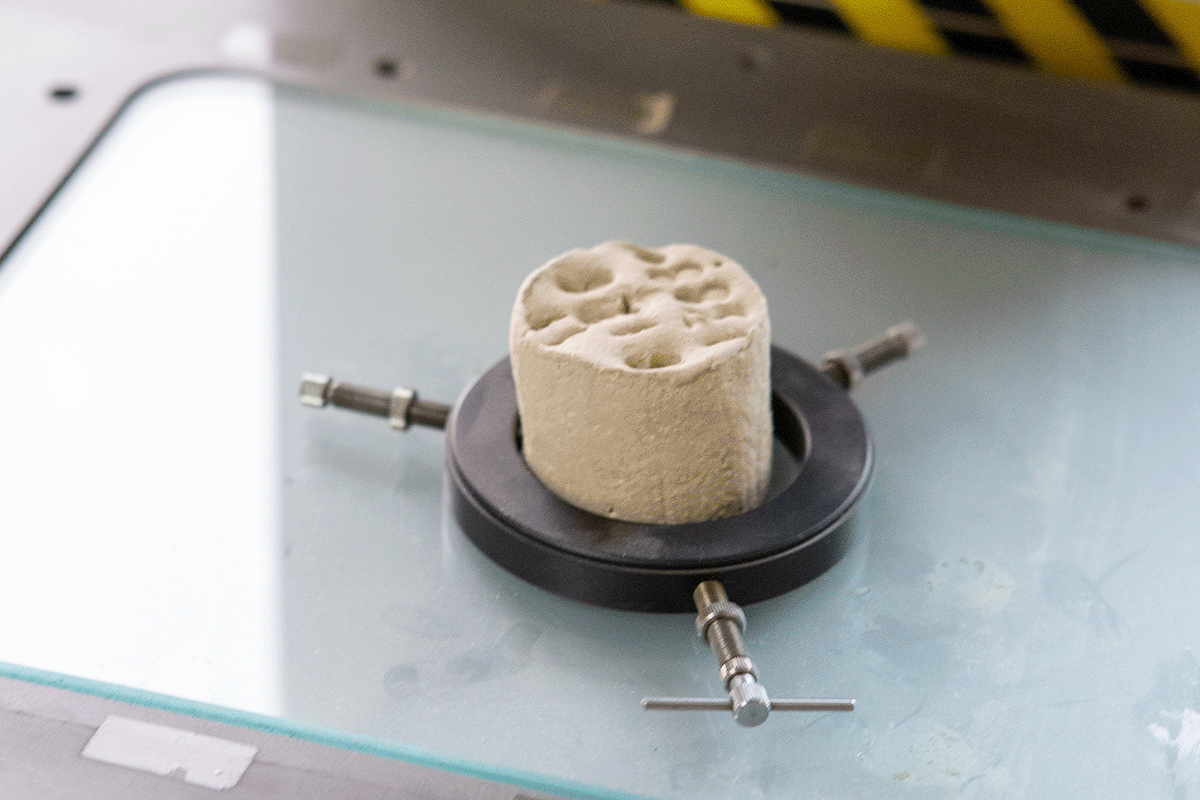
Our containers are made without chemical additives, coatings or heavy metals. They are certified as 100% food-safe, inert and durable — with no contaminants for the wine or the environment.
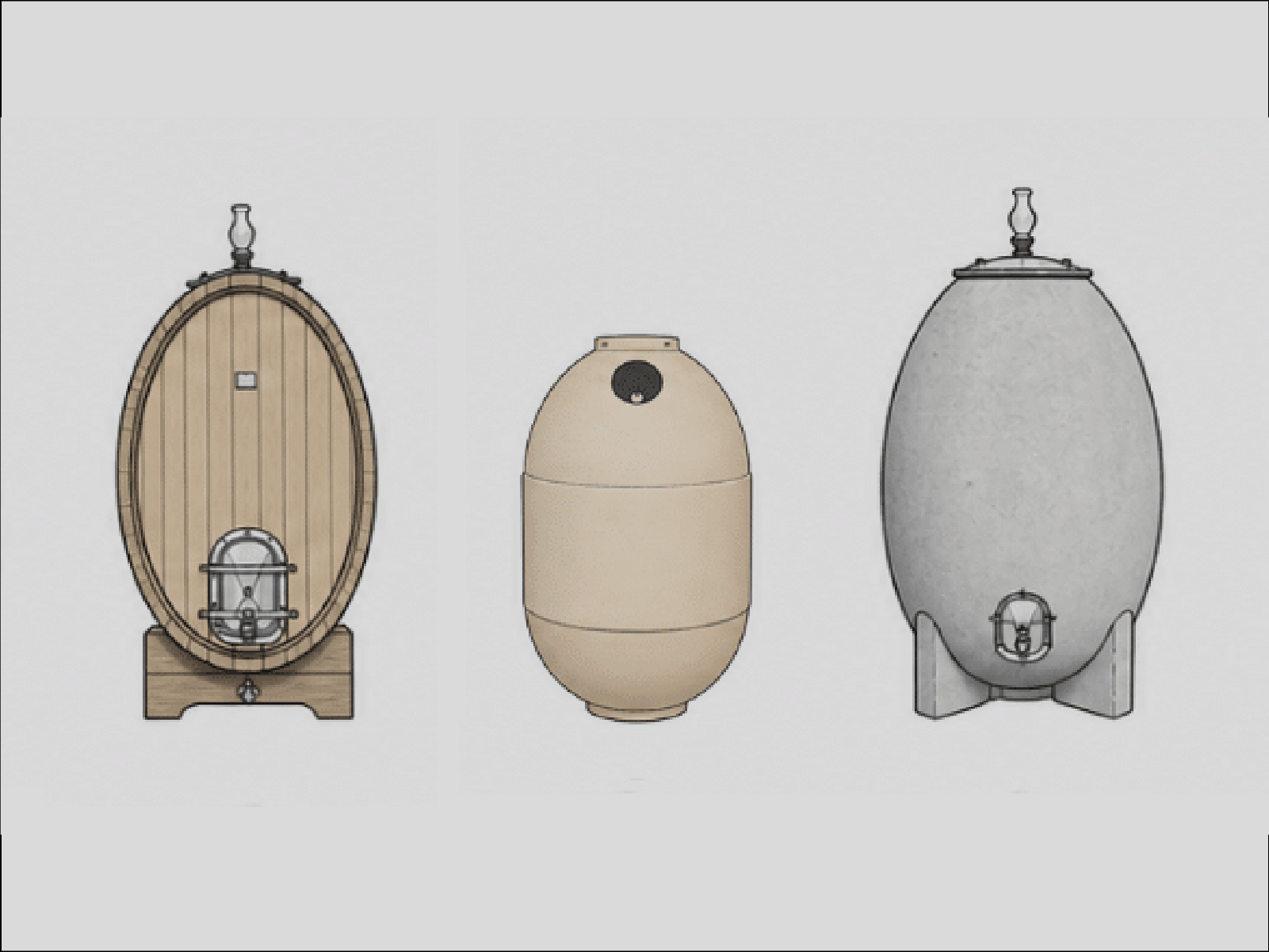
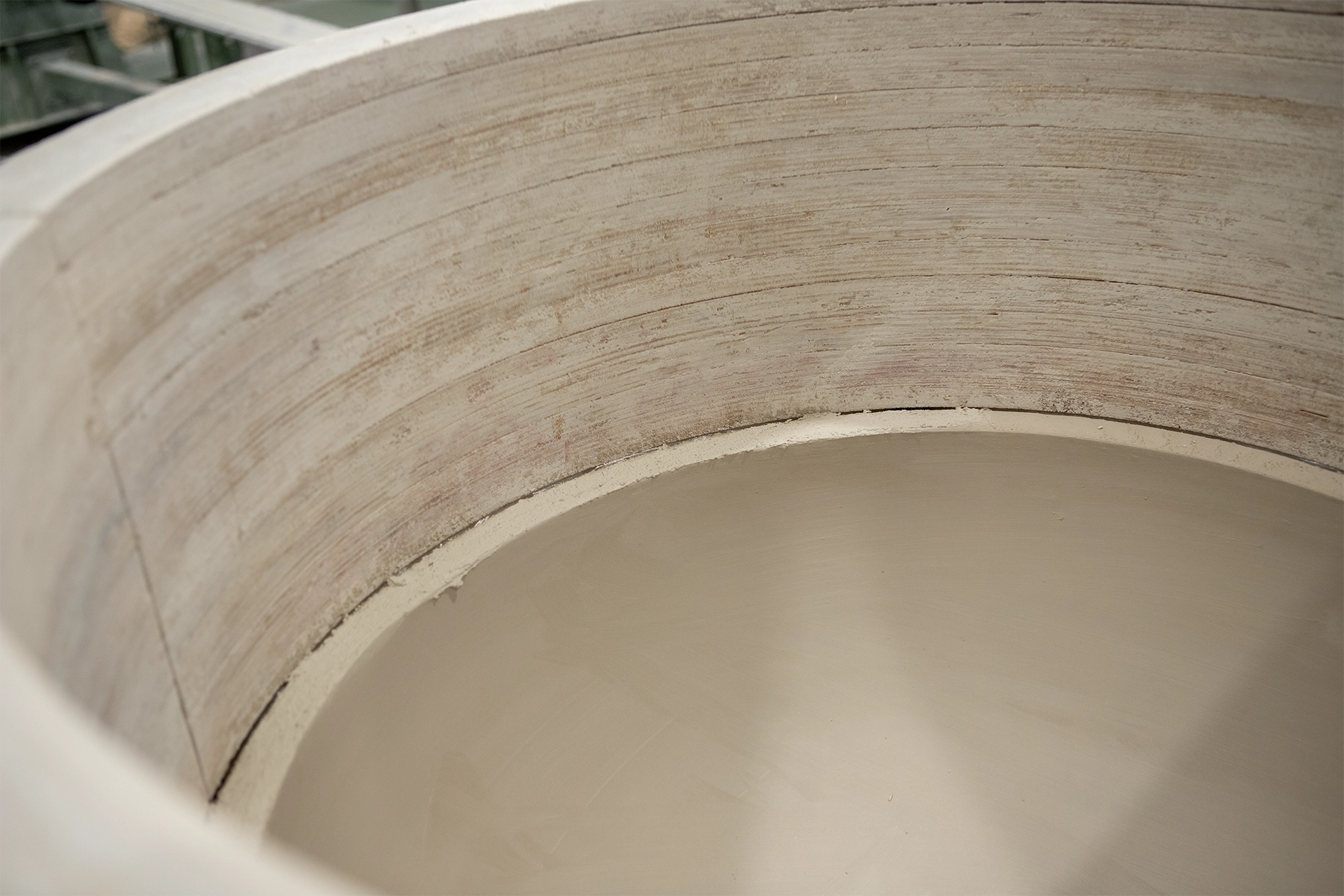
Clayver containers have an unlimited lifespan without any loss of performance, eliminating the need for replacement, unlike wood (which requires trees to be felled) or concrete (which requires sanding or epoxy coatings).
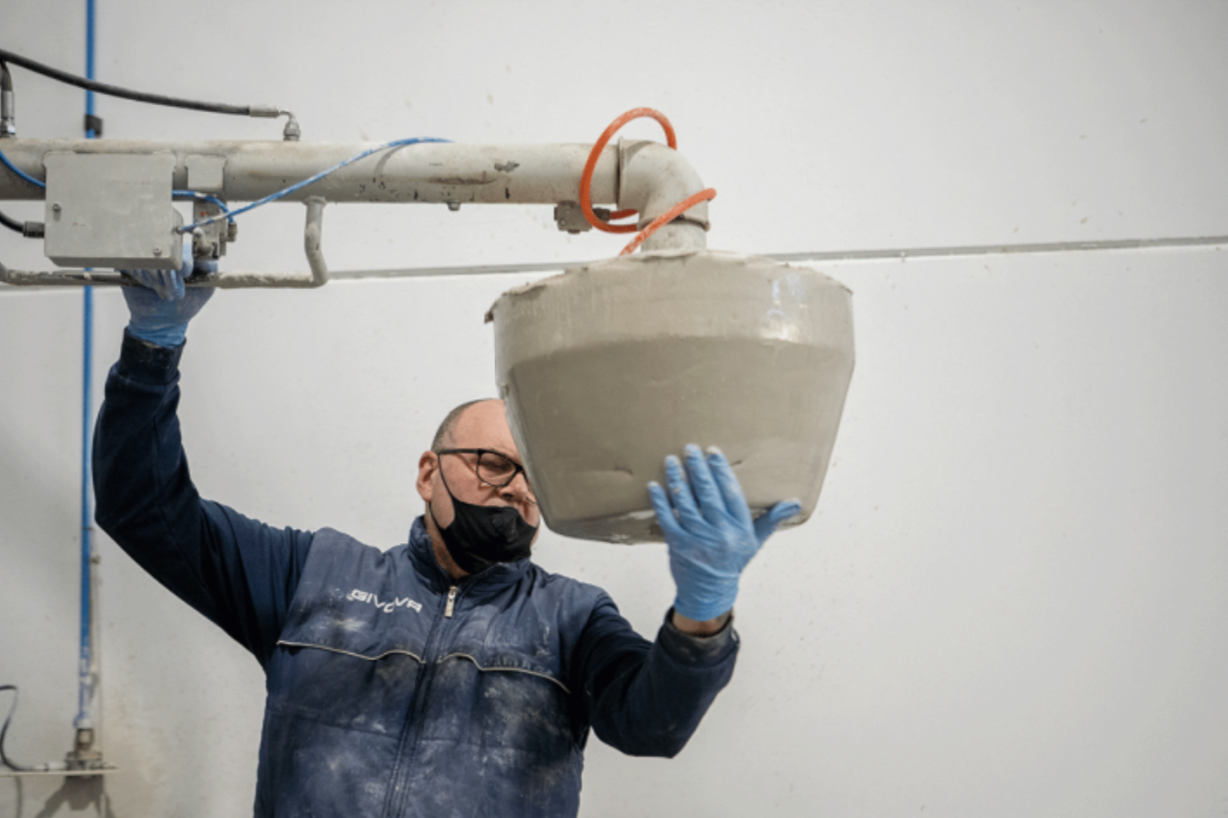
Thanks to modern production technologies, we use less energy, raw materials and water. Clayver invests in sustainable and scalable technologies such as extruders, regeneration systems and partial automation.
Traceability, transparency and local production
All production is carried out in-house at Clayver in northern Italy, with nooutsourcing to low-cost countries.Clayver’s patented raw material is sourced from European suppliers, ensuringtraceability, compliance, and ethical standards while reducing long-distance transport. All accessory suppliers (stainless steel, stands, glass airlocks, etc.) are located in northern Italy. Clayver adheres to EMAS standards, ensuring strict environmental impact management.
Controlled Lifecycle and Circular Economy
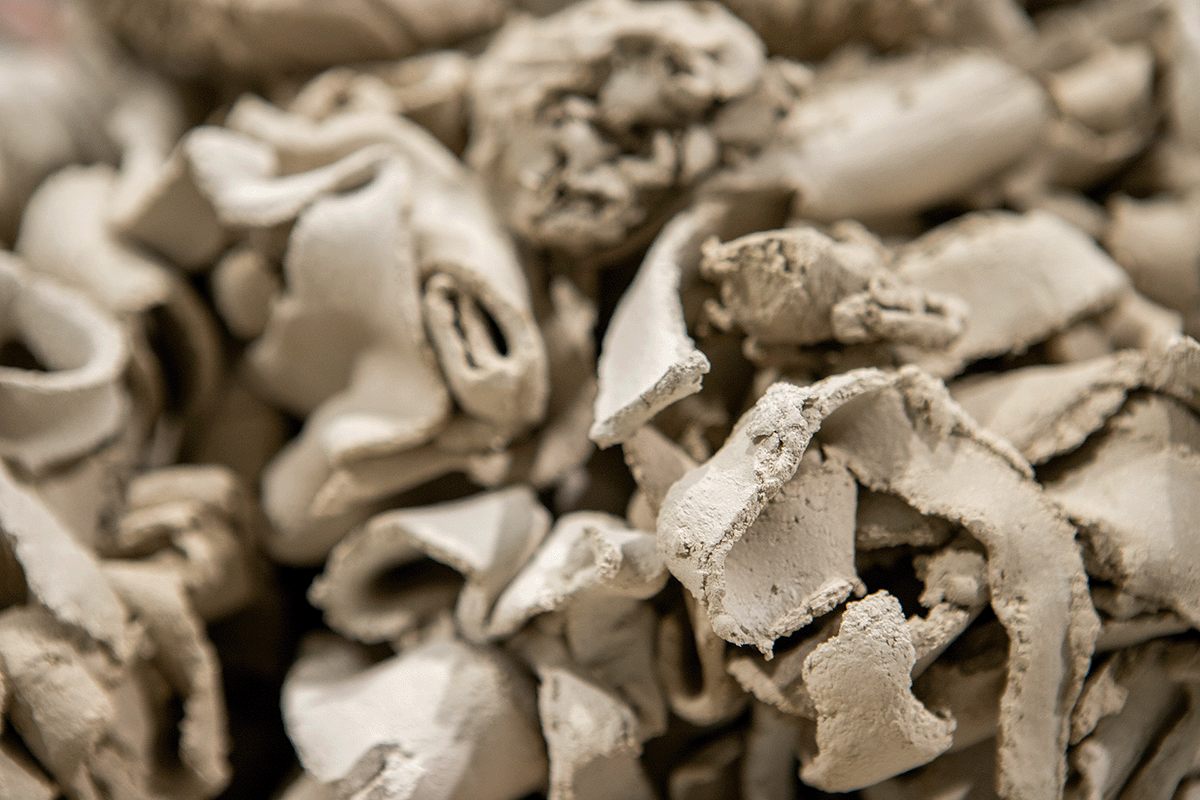
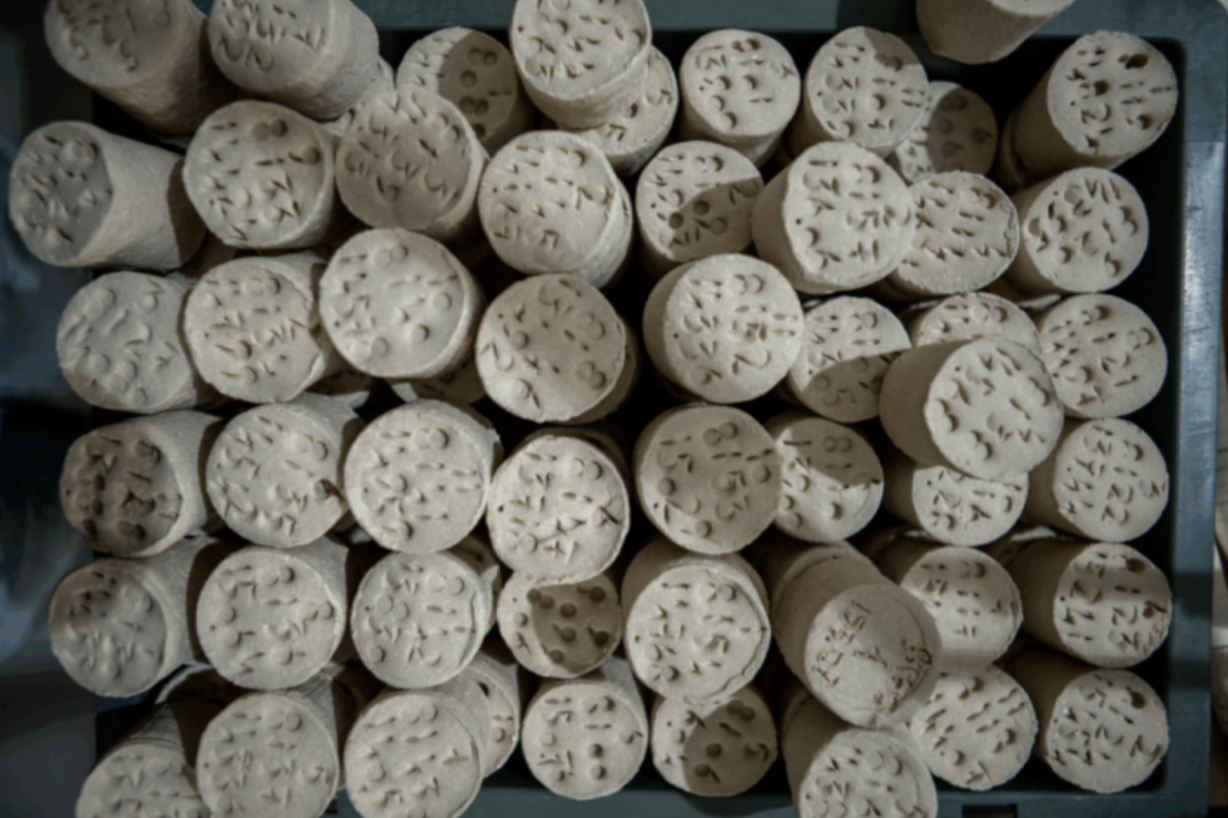
Clayver has implemented a circular production model: over 33,000 kg of dehydratedclay are regenerated each year and reintegrated into the manufacturing process, withcareful control over water usage.
This approach also significantly reduces CO2 emissions and fuel consumption
related to raw material sourcing.
Broken vessels are recycled into construction materials, minimizing waste.
Supporting Sustainable Winemaking
Thanks to controlled micro-oxygenation and a lid design that ensures a perfectly airtight seal, Clayver containers help to reduce the use of sulphur and oenological additives, as racking is rarely, if ever, necessary.
The natural autolysis of the lees in Clayver containers reduces the need for fining agents or fining, whilst also lowering turbidity and minimising filtration.
The natural thermal inertia of the ceramic reduces the need for refrigeration, particularly during fermentation and ageing. The containers are cleaned primarily with pressurised hot water, limiting the use of aggressive detergents. This allows for a more respectful, energy-efficient ageing process that better preserves the wine’s authentic character. Clayver also raises awareness among clients and partners about environmental issues, helping to build a more responsible wine industry.
Social Responsibility and Local Expertise
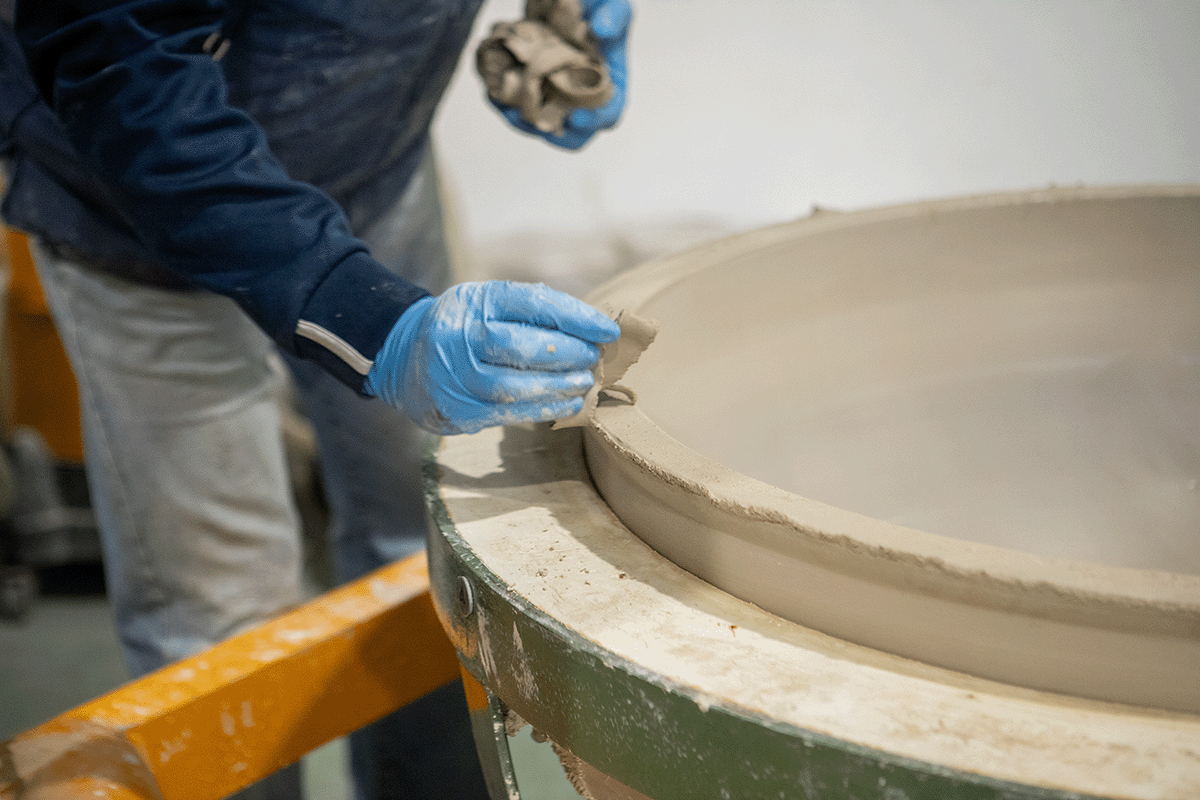
Clayver promotes Italian artisanal craftsmanship – ceramic making is a millennia-old tradition and part of the country’s cultural and artistic heritage.Clayver complies with European labor standards, including adapted working hours during extreme heat and ensuring a respectful work environment.The entire production is carried out through a short supply chain under fair and equitable conditions.
Sustainable Economic Performance
By reducing energy costs and the need for additives while ensuring consistent wine quality, Clayver delivers sustainable performance at every stage.A Clayver vessel is a lifetime investment, with no need for replacement. Clayver’s economic model is built on full control of the production chain, ensuring quality, durability, and competitiveness.
credits themas-vin.com | Juliette Carrere