Winemakers & Experts: What They Say About Us
Clayver Stoneware Vessels Through the Eyes of Eric de Saint-Victor, Château de Pibarnon, Bandol
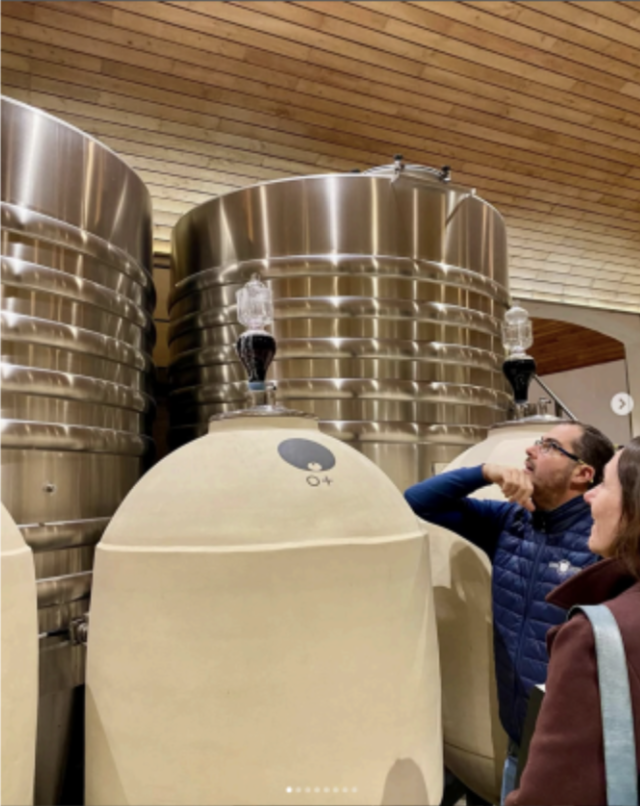
A southern gem, Château de Pibarnon has been a shining ambassador of the Bandol appellation for nearly 50 years. At its helm, Éric de Saint-Victor—ranked the 29th best winemaker in France—has led the estate into new explorations with alternative vessels, including Clayver stoneware tanks, in use since 2014. Since 2021, the vintages of Nuances, a gastronomic rosé made from 100% Mourvèdre and a confidential Bandol cuvée, have been entirely vinified and aged in Clayver vessels.
“Clayver gives us this sense of progress, the opportunity to explore, to move toward greater neutrality, which, thanks to its active nature, allows the grape and therefore the terroir to express itself to the fullest. Clayver brings brilliance and beautiful tension to the wine. There’s something tactile, practical, visual, even aesthetic and there’s also a kind of vibrational quality. It’s a beautiful object. You can feel its solidity, and you clearly sense the uniformity of its firing.”
The stoneware revolution at Château La Gordonne, three colors 100% Clayver
‘After a vineyard restructuring and a major restoration of the château, the Vranken group appointed Julien Fort as director of cellars and vineyards, focusing on aging in stoneware eggs for a new trilogy of wines.’
Exploited by the Romans for its exceptional microclimate, La Gordonne was purchased along with its bastide by the Lord of Pierrefeu in 1663. Today, it stands as one of the jewels of Vranken Estates’ vineyards. The Château, located in the Côtes de Provence Pierrefeu appellation, is renowned for the exceptional quality of its wines and the creation of the Cuvée la Chapelle Gordonne, which blends quality and quantity. This unique property in Provence spans 330 hectares of vines, basking under the intense Provençal sun and swept by the fierce, dry Mistral winds. Written records suggest that wine was historically made in amphorae at La Gordonne.
“The Fort-Vranken partnership also believes that wood should not reflect the identity of the estate and that the focus should be on seeking more freshness and liveliness in the wines, but without the use of wood, aging periods become longer. Nathalie Vranken sourced stoneware vessels from Italy, starting with 3 and later 30, notably to highlight the Cirque de la Gordonne, a terroir of schist soils at 120 meters altitude. This was once the “thrush hunting post” of Sieur Gourdon, the estate’s owner in the 17th century.’

Julien Fort
Terre de Vius
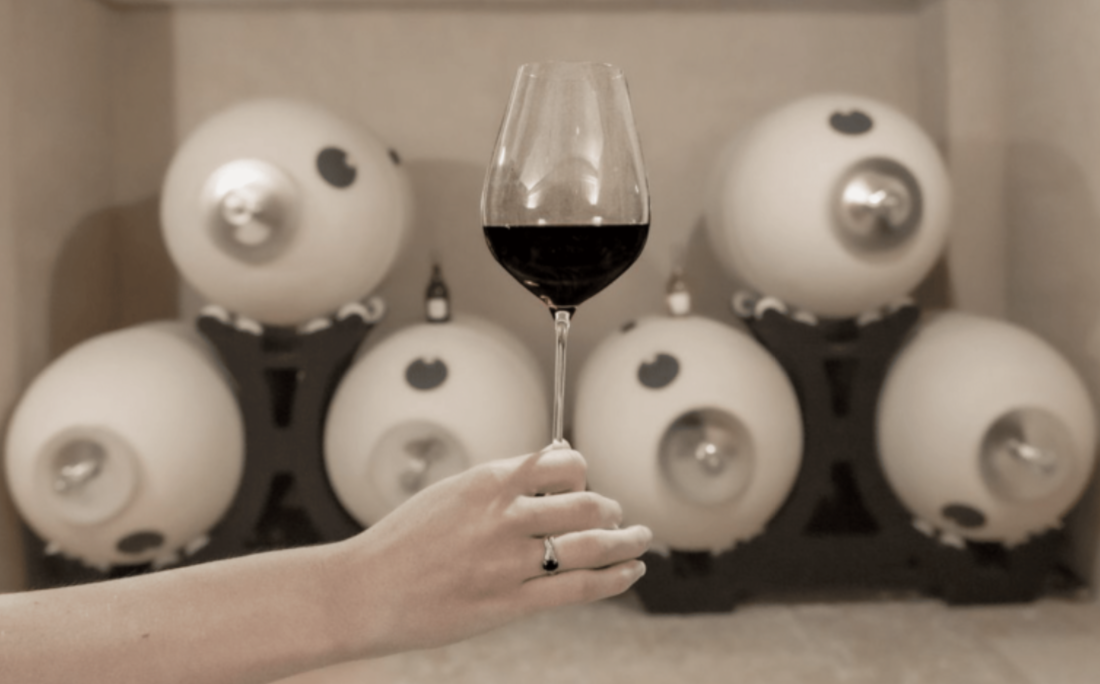
The advantage of the vessels is the ability to work with small volumes in a reductive environment, and unlike a barrel, they do not alter the wine’s natural organoleptic characteristics. The Clayver Orizzonte vessels allow for a delicate, precise lees stirring through rotation, explains Julien Fort, the Cellar Director.
“We’ve focused a lot on gentle pressing and grape variety selection, Champagne-style, with minimal sulfites and aging on lees in 400L stoneware eggs to create a wine that’s both enjoyable in its youth and suitable for aging.”
Read the full article “The stoneware revolution at La Gordonne”.
Three colours in 100% Clayver
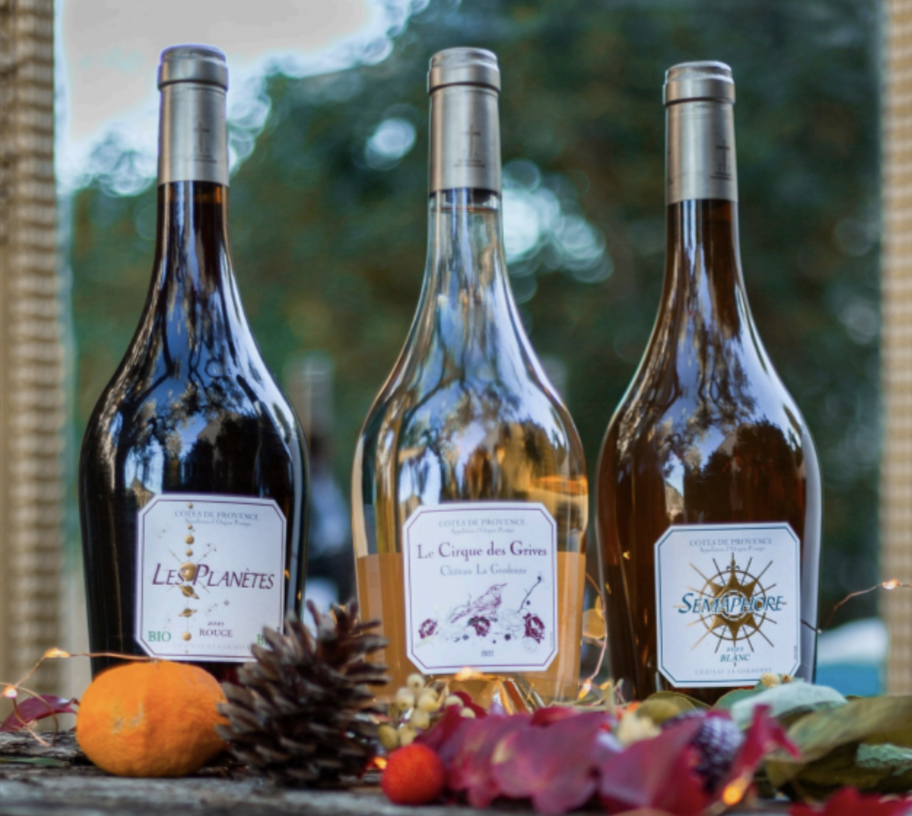
Le Cirque des Grives Rosé, Pierrefeu Var, Côtes de Provence, Château La Gordonne, 2021: Handpicked at night, followed by delicate pressing at low temperature. Aged on lees for 6 to 8 months in 100% Clayver to reveal the terroir’s full potential. A fruity and floral blend of Cinsault and Grenache, with soft spices, notes of nectarine and blood orange, fine and delicate.
Sémaphore Blanc, Côtes de Provence, Var, Château La Gordonne, 2021: Between tradition, history, and modernity, Sémaphore is vinified and aged in 100% Clayver to perfect its exceptional character. A 100% Rolle (Massale selections of 80-year-old vines). Aromas of white fruits, lime blossom, and faded rose with a spicy note.
Les Planètes rouges, Côtes de Provence, Château La Gordonne, Var, 2021: Each berry is hand-selected and vinified in Clayver stoneware for 6 to 8 months. A blend of Grenache, Syrah, Cabernet-Sauvignon, and Mourvèdre. Wild notes of scrubland, bramble, black fruits, licorice, and spices.
The Acte II Cuvées from Couhins-Lurton in Clayver Are Shaking Up Bordeaux!
Born at the end of the 17th century, Château Couhins-Lurton was acquired in 1967 by André Lurton. Holding the prestigious title of Crus Classés de Graves for its whites, he brought his expertise to the estate and revived the red grape varieties—Cabernet Sauvignon and Merlot—in the newly built winery. The creation of a Pôle Grands Crus marked a single, clear objective: crafting great wines that meet ever-higher quality standards.
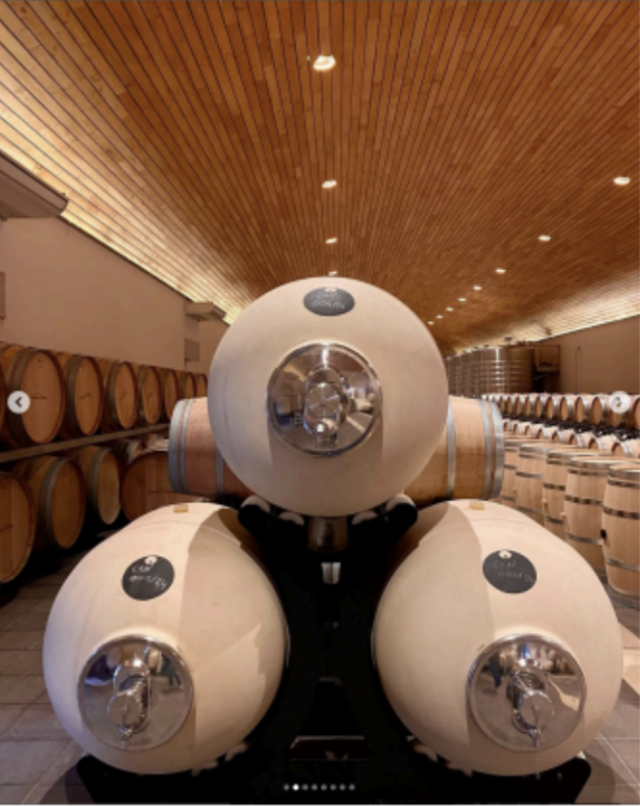
Since 2019, its Acte II cuvées have been made using 50% Clayver, a well-refined process. The red wines are vinified and then aged for 8 months in Clayver, while the whites are aged for 7 months.
I drank the Bordeaux of the future
“A surprisingly revitalized Pessac-Léognan, where the fruit shines through in full: Château Couhins-Lurton is steering the Bordeaux appellation in a bold new direction—with stunning results.”
“Forget new Bordeaux barrels! Say hello to stainless steel vinification and ceramic amphora aging, where the fruit takes center stage!”
In Bordeaux, a storm in a wine glass
‘To prioritize freshness and drinkability, Acte II is primarily vinified in stoneware vessels. A white and a red that are easy to enjoy in their youth while awaiting the grand cru. The 2019 takes the stage—full, round, and smooth. It delivers, with a velvety tone, an intense ripe fruit that plays off lively, tangy notes.’
Article in collaboration with themas-vin.com – Texts Laure Thevenin and Juliette Carrere