UVaMOX Certification
Clayver is the first ceramic vessel manufacturer to collaborate with the renowned UVaMOX laboratory, which has certified the TOIR (Total Oxygen Ingress Rate) of our containers. Numerous studies and analyses have confirmed the MOX rates, such as this one article.
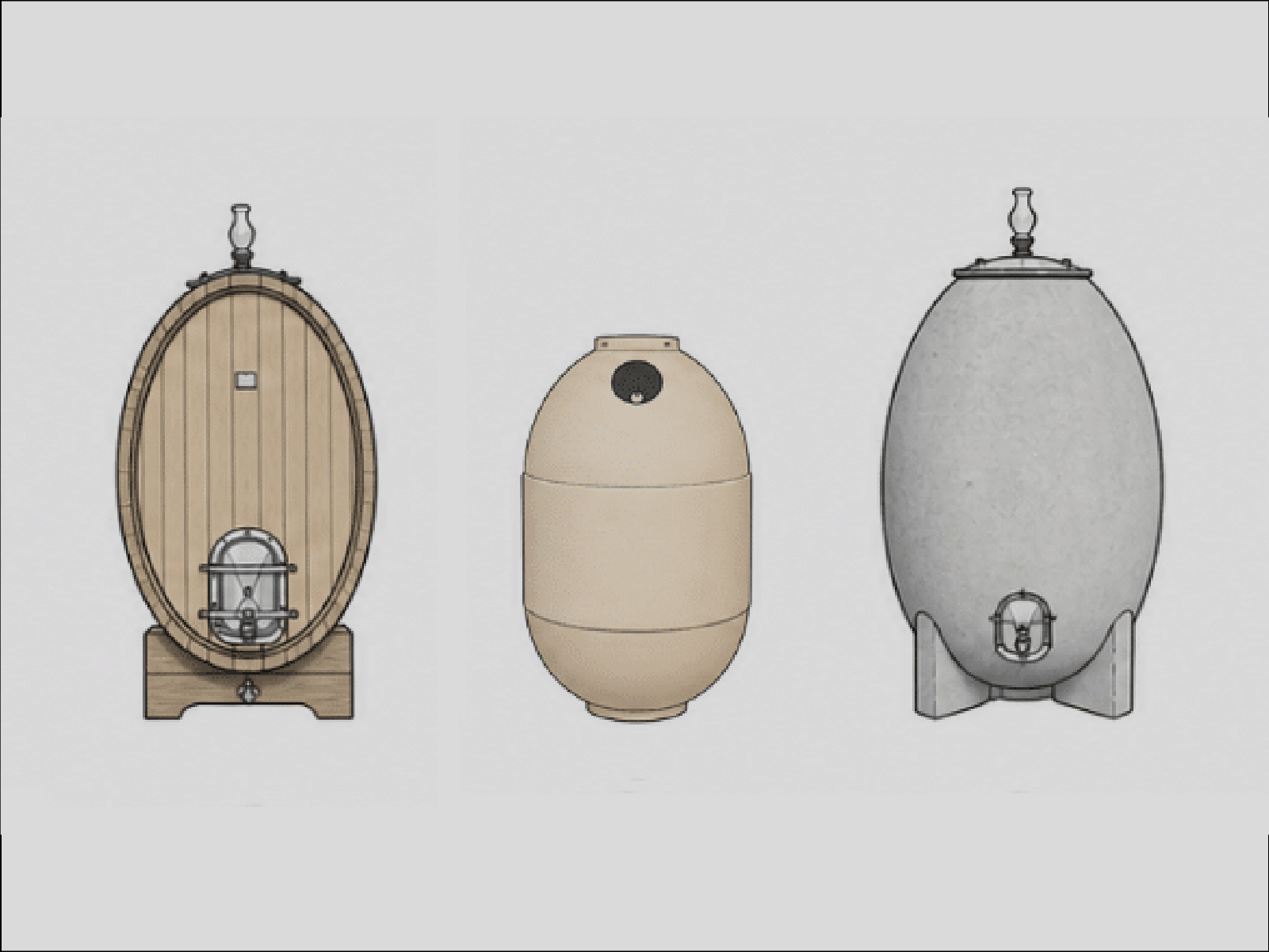
The results show that Clayver vessels allow for a gentler oxygenation compared to terracotta amphorae and a more linear oxygenation than barrels, while preventing the transfer of flavors, undesirable compounds, and wine loss.
The micro-oxygenation in mg/l/year of the vessels does not deteriorate over time: the highly durable structure of the stoneware remains unchanged. Clayver offers a stable and reproducible solution.

Oxygen can be transferred into wine in different ways, but the most interesting one is through the walls of the wine vessel. Micro-oxygenation (MOX), introduced in the 1990s by Patrick Ducournau, is now a valuable tool in modern oenology and a key process in wine aging and fermentation.
A controlled oxygen supply allows to:
• Stabilize color by promoting the bonding between anthocyanins and tannins
• Soften tannins by facilitating their polymerization, thus reducing astringency
• Reduce unwanted sulfur aromas and enhance aromatic expression
• Refine the structure and balance of the wine, guiding its evolution
• Strengthen yeast viability, preventing fermentation stoppages and stabilizing malolactic fermentation
To achieve this, it is ideal to:
• Know and control the oxygen transfer
• Ensure a gentle and continuous oxygen supply
• Avoid undesirable flavors from the container
• Prevent microbial contamination
• Use a durable vessel
• Minimize wine loss
Clayver and its Research on MOX: History, Results, and UVaMOX Certification
The invention of Clayver stems from a long period of research and experimentation before its commercial launch in 2014. After technical trials and thorough reflection, the patented Clayver stoneware emerged as the ideal solution, meeting every key criterion. However, its manufacturing required an innovative approach to precisely control its porosity and ensure compatibility with industrial processes.
An exclusive technology developed
For a controlled MOX rate that allows oxygen to pass through while preventing wine leakage, it was essential to find the right balance between thickness, density, and firing of the material. This led to the development of a technology combining precision, reliability, and high performance, resulting in vessels optimized for wine fermentation and aging.
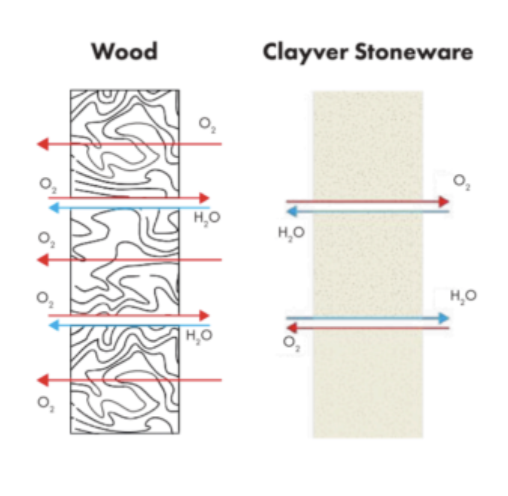
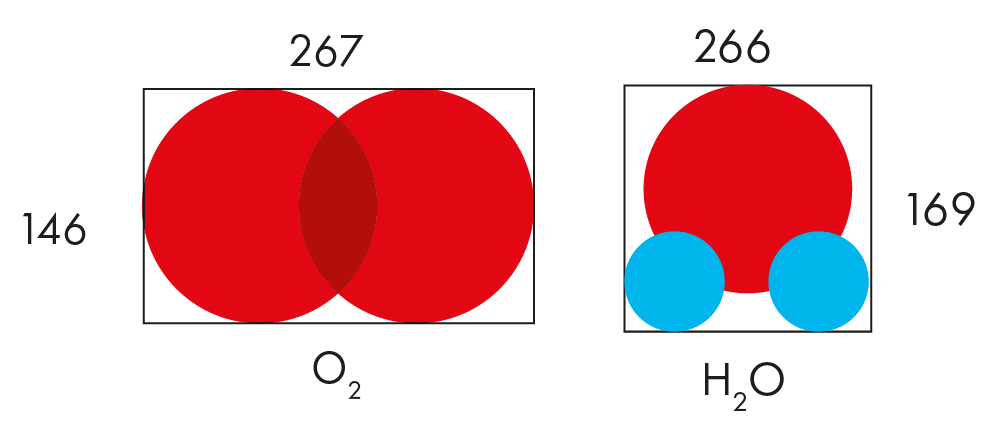
A gentle oxygenation
The vessel breathes moderately, without excess, to best preserve the wine. The micro-oxygenation is steady, gentle, and consistent.
Comparison:
New barrel = 20 to 40 mg/L/year
1-2 wine barrel = 15 to 25 mg/L/year
3-4 wine barrel = 10 to 15 mg/L/year
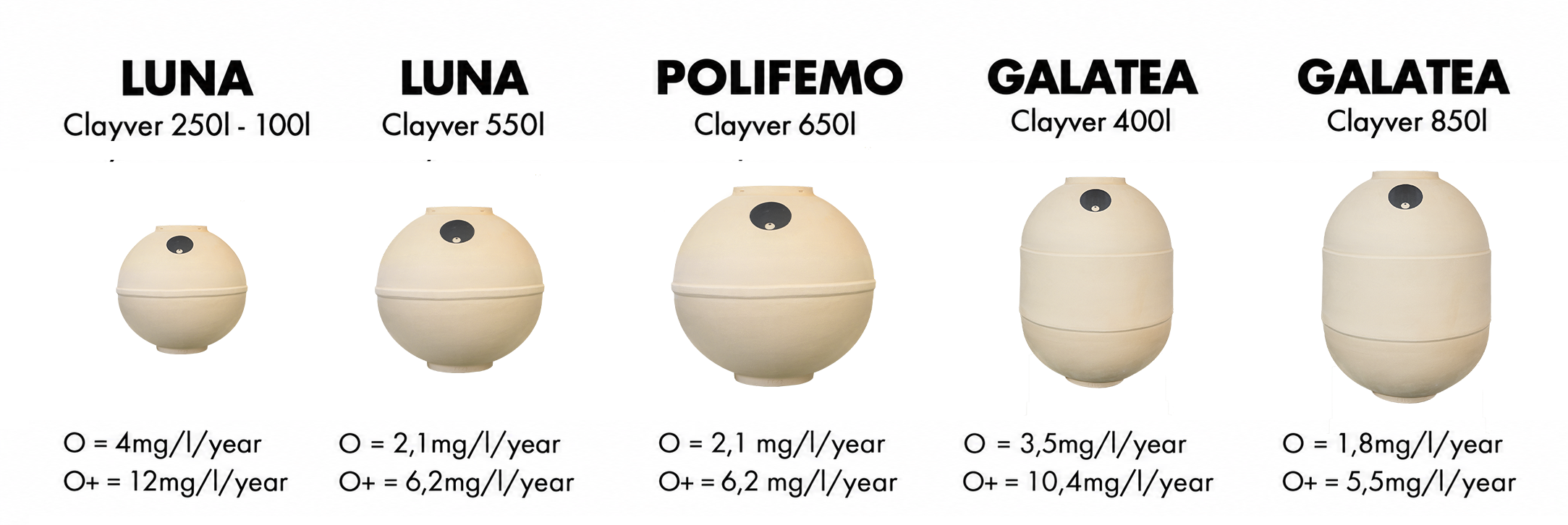
Luna 250L O+ = 12 mg/L/year
Galatea 850L O = 1.8 mg/L/year
The Different Micro-Oxygenations at Clayver
Demand Knowledge and Mastery of MOX: the Influence of Clayver Vessel Size
The smaller the vessel, the higher the surface-to-volume ratio, impacting the oxygenation rate. For example:
• Luna 250l O = 4 mg/l/year
• Galatea 850l O = 1.8 mg/l/year
O and O+: Having the choice between two oxygenation rates
For each capacity, Clayver offers two types of oxygen flow to best adapt to each wine, thanks to different firing temperatures of the vessel.
For example:
The Luna 250L has two MOX options:
• O = 4mg/l/year
• O+ = 12mg/l/year
Glazing = Zero Oxygen
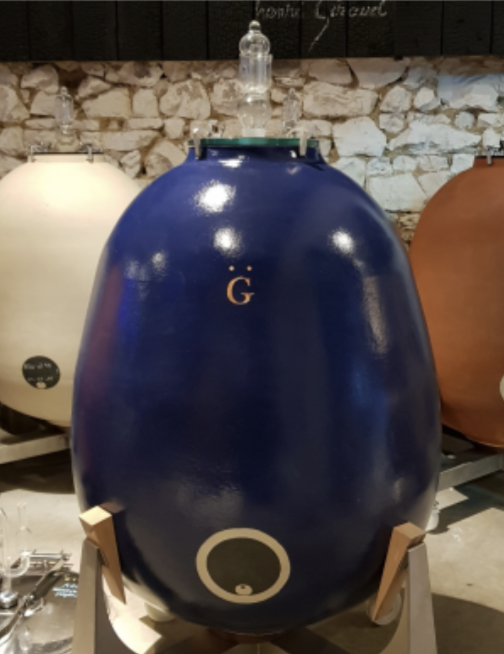
The Clayver vessel can be glazed, meaning its surface is vitrified. This process completely eliminates its porosity, preventing any oxygen exchange. The opaque vessel prevents any light taste and provides thermal insulation. It is an ideal choice for reserve wines and cellar-worthy wines, where preserving aromatic integrity while maintaining purity and freshness is essential, limiting premature evolution caused by oxygen exposure.
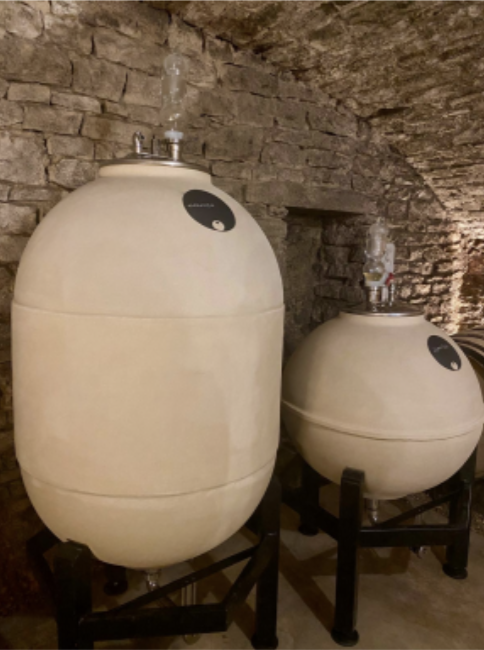
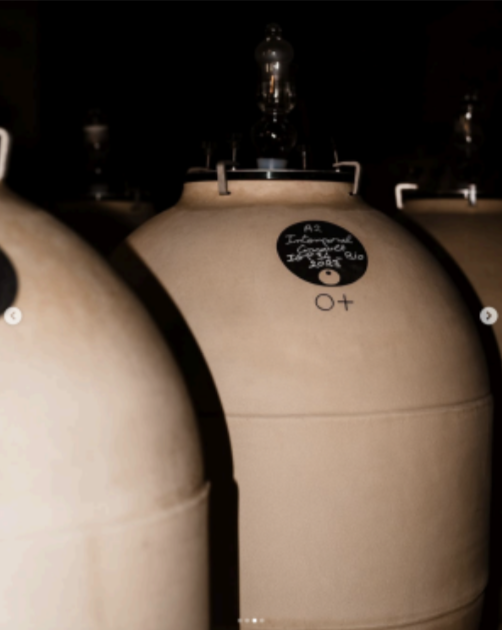
Choosing the right vessel for your wine: a tailored approach
We often tend to choose, for example:
For a short aging period of a Bordeaux wine, a high micro-oxygenation (O+) is selected to soften the tannins, making the wine smoother and more balanced. For a white wine, a lower micro-oxygenation (O) is preferred to preserve the fruit and freshness.
With over 10 years of experience with Clayver, we know that the ideal MOX for a wine depends on many factors:
• The grape variety or varieties
• The aging duration
• The desired aromatic profile
• The balance between freshness and structure
• The identity of your estate
• The characteristics of the plot and the wine itself
• The size and shape of the vessel: contact with the lees and the effect of mass
• The fill level
• The cellar conditions, humidity, and temperature
which influence the evolution of the wine.
There is no one-size-fits-all solution: that’s why we guide you in choosing the right vessel. Every factor must be considered, and every detail matters.
By combining technological innovation and winemaking expertise, Clayver offers a modern and efficient alternative to traditional aging methods.
Every wine is unique: let’s work together to define the best approach for your cellar!